
From Hope to Despair and Back
The Man Who LaughsRepeated rescues and reversals test Gwynplaine’s belief that survival can become lasting happiness.
increasing Bearing strength in each event
 decreasing
Bearing strength in each eventdecreasingThe First Rescue
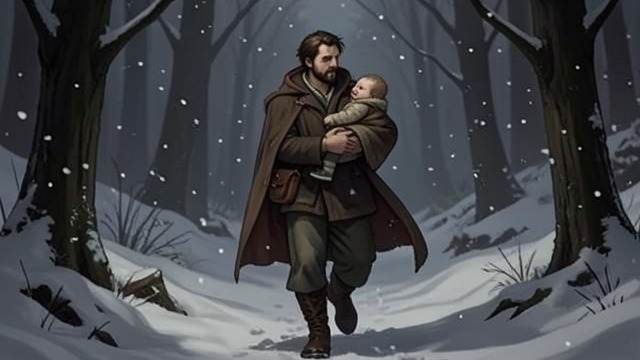
The First Rescue
Survival against the elements
Gwynplaine climbs from the shore and crosses Portland in darkness.
Cold and hunger threaten him at every step.
He survives without knowing what awaits him.
Hope redirected
A baby’s cry draws him to Dea.
He gives up his coat to keep her alive.
His first act of hope is directed toward someone else.
Shelter in the Caravan
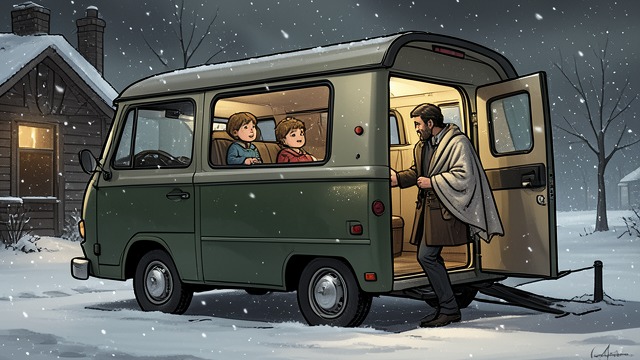
Shelter in the Caravan
A fragile refuge found
Ursus welcomes both children into the van.
Food and warmth replace the immediate threat of the storm.
The children’s survival becomes the beginning of an adopted family.
Happiness within poverty
The caravan offers no security beyond the care of its occupants.
Gwynplaine and Dea nevertheless grow into mutual love.
Their refuge demonstrates that modest affection can outweigh wealth.
A Sudden Apotheosis
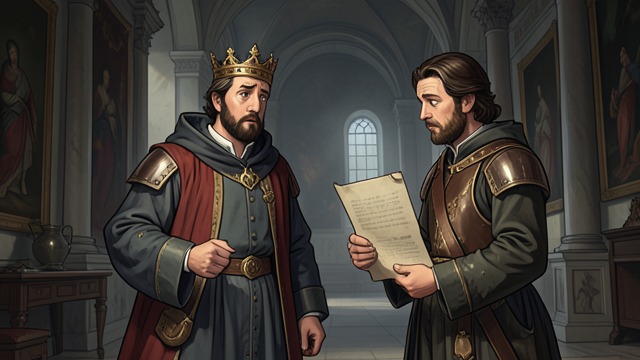
A Sudden Apotheosis
Prison becomes palace
Gwynplaine expects punishment but is declared an heir.
The court replaces confinement with wealth and status.
The sharp reversal leaves him unable to understand his own position.
The cost hidden inside fortune
Barkilphedro presents the elevation as good news.
Gwynplaine does not yet see how it will separate him from his family.
The new hope carries the structure of a trap.
A False Triumph
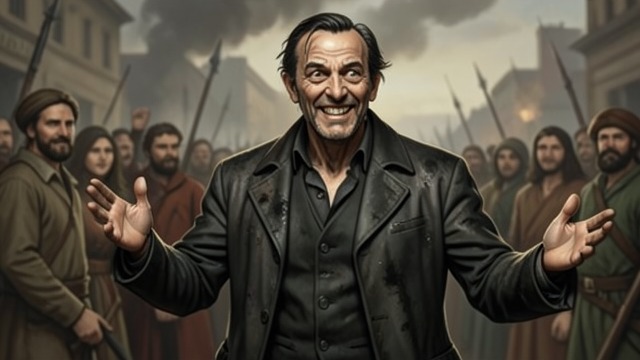
A False Triumph
The reformer speaks
Gwynplaine uses his rank to condemn poverty and privilege.
He believes the lords may hear the evidence of suffering.
His speech appears to convert elevation into purpose.
The crowd answers with laughter
The peers ridicule him until his speech collapses.
His face turns the moment into a public humiliation.
The apparent triumph becomes an irreversible loss of belonging.
Joy Before the Ending
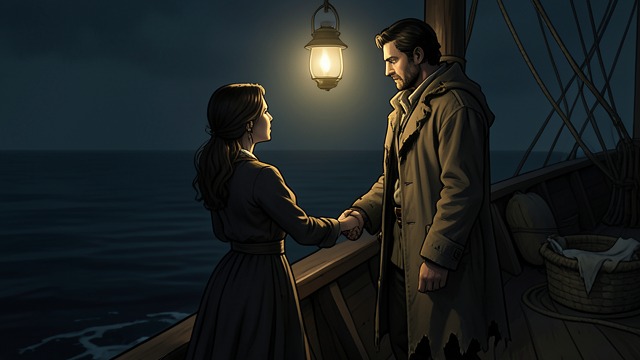
Joy Before the Ending
A return to love
Homo guides Gwynplaine to Ursus and Dea.
Gwynplaine and Dea reunite in the ship’s lantern light.
For a short time, survival seems to have defeated every separation.
The final reversal
Dea dies from her frailty after the shock of reunion.
Gwynplaine enters the water after her.
Hope returns only long enough to make the ending more painful.
During the Portland snowstorm, January 1690
Before dawn on January 30, 1690
During Gwynplaine’s recognition in Southwark Jail
During the House of Lords debate in 1705
During the Vograat’s final passage down the Thames
